Land of the Future is an independent platform dedicated to countries, cities and societies that are shaping new possibilities for life in the 21st century.
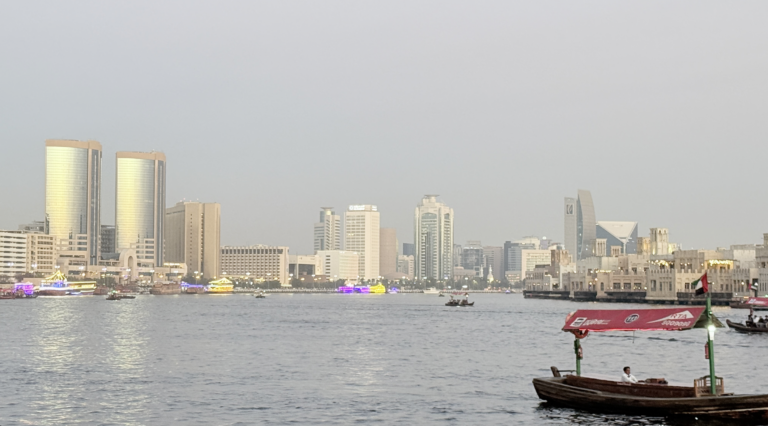
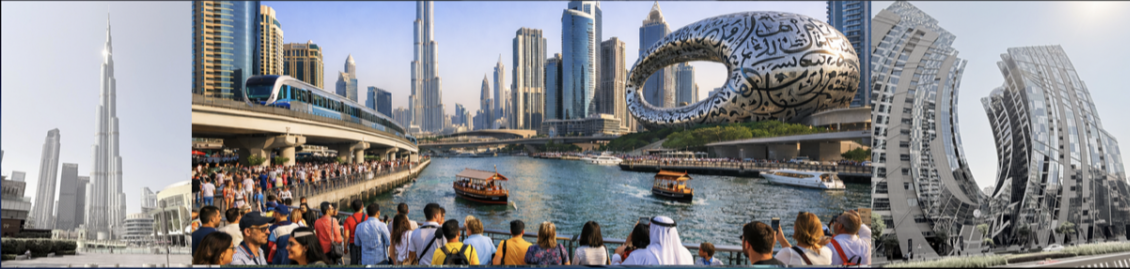
The project begins with Dubai. Dubai is not presented here as a perfect place, but as a striking example of vision, leadership, safety, service culture, infrastructure, ambition and rapid transformation. It shows how a city can become a laboratory for the future – a place where long-term planning, political will, technology, urban development and quality of life come together in visible ways.
The purpose of this platform is to look beyond conventional narratives. Many discussions about countries are limited to stereotypes, ideological judgments or isolated problems. Land of the Future takes a different approach: it asks what people can actually learn from places where daily life works better, where public space feels safer, where service is more efficient, where ambition is visible, and where the future is not only discussed but built.
Dubai is the starting point. Other countries, cities and regions will follow – especially places where life can be experienced as more livable, more secure, more efficient, more inspiring or more future-oriented. The focus will not be on propaganda or blind admiration, but on observation, comparison and reflection.
The guiding question is simple:
What makes a place worth living in – and what can other societies learn from it?
Land of the Future explores this question through articles, impressions, field observations and comparative reflections. It looks at leadership, urban life, safety, technology, public services, social order, economic opportunity, cultural confidence and the everyday experience of people.
The future will not look the same everywhere. But some places already reveal fragments of what the future may become.
About the Author
Land of the Future is created by Adalberto Vasconcelos de Araújo, a Brazilian-German independent writer and analyst of societies, institutions and public life. Having lived in Germany for many years and with a background in business, technology, education and civic engagement, he is interested in how countries organize everyday life, public services, security, leadership, opportunity and human dignity.
His work connects field observation, historical reflection and comparative analysis. This project grew out of a genuine interest in how societies organize everyday life: how public administration functions, how cities are planned, how people experience safety, service, opportunity and coexistence – and what can be learned from places that seem to do certain things especially well.